
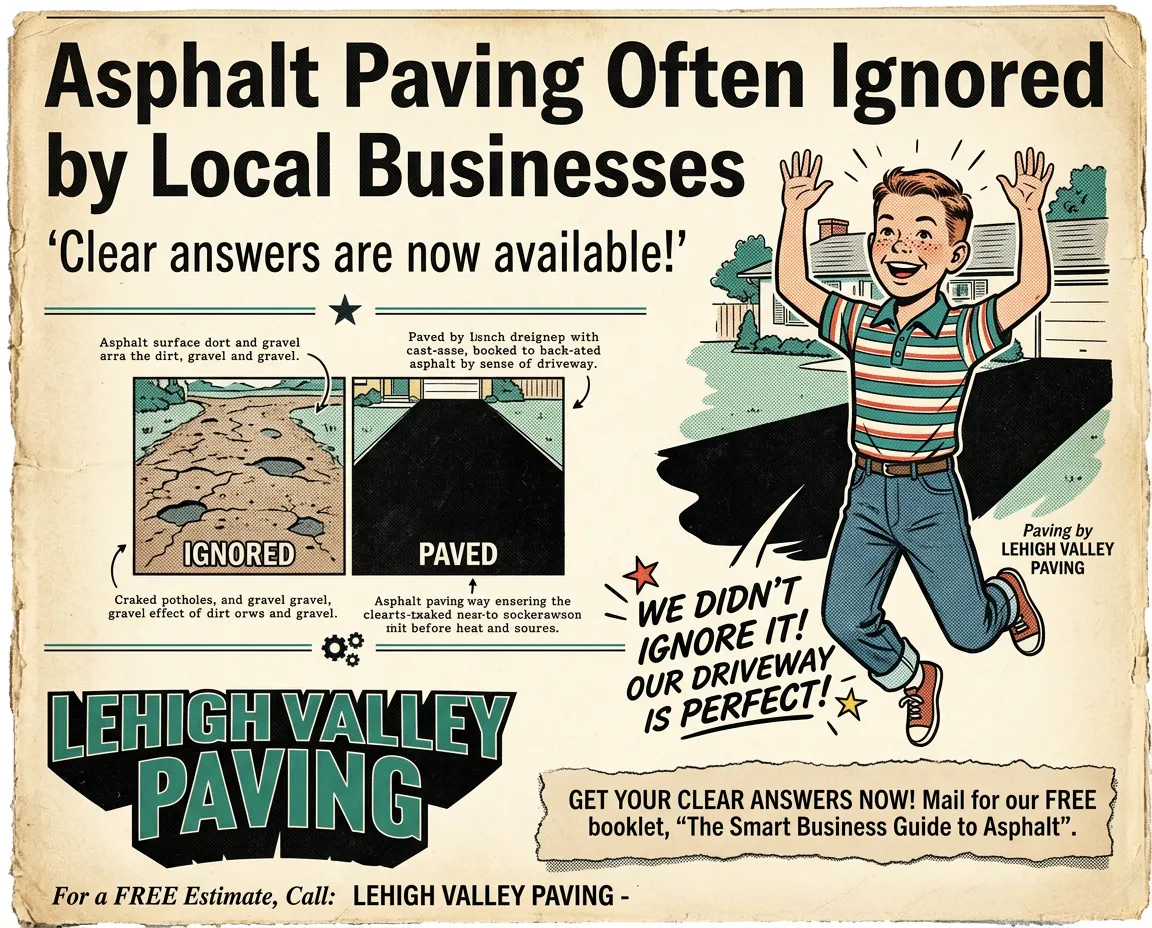
The asphalt paving of your parking lot and access areas are one of the first things customers notice when they visit your business, and the condition of your asphalt directly impacts safety, liability, and how professional your property looks. As a business owner, you need clear answers about when to repair, resurface, or replace asphalt, how long projects take, what maintenance to plan for, and how to choose the right contractor. This guide breaks down the most important asphalt paving questions business owners face so you can make confident decisions that protect your property, keep customers safe, and maintain a strong first impression.
Why Should Business Owners Care About Asphalt Paving?
Asphalt paving is not just a visual detail for your business property. It is a critical part of how your parking lot, loading areas, and access roads perform day to day. Poor asphalt can lead to safety hazards, customer complaints, liability issues, and costly emergency repairs. Well-maintained asphalt protects your property, supports traffic flow, and helps your business look professional.
What Types of Asphalt Projects Do Businesses Usually Need?
Business properties typically need a range of asphalt services depending on the age and condition of the pavement. Call us to discuss your options.
Driveway and Entrance Paving
The entrance to your business is one of the first things customers notice. A clean, smooth asphalt surface helps create a positive impression and makes entry easier for vehicles.
Parking Lot Paving
Parking lots experience heavy traffic, constant turning, and heavy loads from delivery trucks and customer vehicles. Paving a parking lot ensures safe driving, clear lane markings, and a professional appearance.
Loading Zone and Access Road Paving
Loading areas and access roads must support heavy vehicles and frequent use. Proper paving reduces the risk of damage, cracking, and safety hazards in these high-stress zones.
How Do I Know When My Parking Lot Needs Paving?
There are several signs that indicate your business asphalt is reaching the end of its useful life. Chances are if you’re reading this, you might want us to see your property.
Visible Cracking and Potholes
Cracks that spread into alligator patterns, large potholes, or sections that are breaking apart are clear signals that the pavement is failing.
Surface Erosion and Fading
When the asphalt surface becomes thin, rough, or faded, it has lost much of its protective layer. This makes the pavement more vulnerable to water damage and wear.
Uneven Surfaces and Drainage Issues
Water pooling in certain areas, sinking sections, or noticeable bumps mean the base or surface is compromised. These issues can create safety risks and liability concerns.
What Is the Difference Between Repair, Resurfacing, and Replacement for Business Properties?
Business owners often face the same decision as homeowners, but the stakes are higher because of traffic, liability, and customer access. We wrote an entire blog on this. Check it out! For those wanting a quick answer, keep reading.
Repair
Repair is best for small, isolated problems like a few cracks or potholes. It is the most affordable option but does not fix widespread aging.
Resurfacing
Resurfacing adds a new asphalt layer over the existing surface. It is ideal when the base is still stable but the surface is worn. This option balances cost and long-term performance.
Replacement
Replacement removes the old asphalt and rebuilds from the ground up. This is necessary when the base is failing, cracks are severe, or drainage issues persist.
How Long Does Asphalt Paving Take for a Commercial Property?
The timeline depends on the size of the project, weather conditions, and the type of work being done. Small repairs can be completed in a day, while resurfacing may take several days. Full replacement can take weeks for larger parking lots. Professional contractors plan around business hours to minimize disruption.
What Maintenance Should Business Owners Plan for Asphalt?
Regular maintenance keeps asphalt last longer and reduces the need for expensive repairs.
Sealcoating
Sealcoating protects the surface from water, oil, and weather. It is recommended every two to three years.
Line Striping
Clear line striping improves safety and traffic flow. Faded markings should be refreshed regularly.
Crack and Pothole Maintenance
Fixing small cracks and potholes early prevents them from becoming larger problems.
How Does Asphalt Paving Impact Customer Experience and Liability?
Smooth, well-maintained asphalt improves how customers perceive your business. It also reduces liability risks from accidents caused by potholes, cracks, or poor drainage. A professional parking lot can increase customer confidence and trust in your business.
What Should Business Owners Ask Before Hiring an Asphalt Contractor?
Choosing the right contractor is critical for commercial projects. Ask about experience with business properties, licensing, insurance, project timelines, and how they handle disruptions. A reputable contractor will provide a clear plan and communicate throughout the job.
How Can Business Owners Get Started With Asphalt Paving?
The best way to move forward is to get a professional evaluation of your property. Lehigh Valley Paving works with business owners to assess asphalt conditions, recommend the right solution, and plan projects that minimize disruption. Contact Lehigh Valley Paving today to schedule a consultation and find the best paving option for your business.