
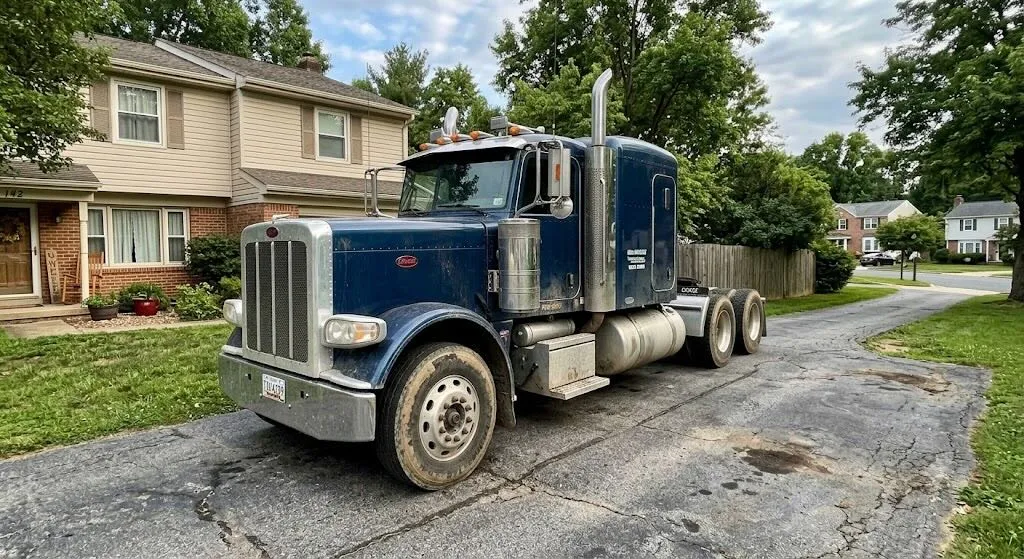
The best driveway material for heavy vehicles becomes a real question the moment you picture your own RV, box truck, or work trailer rolling up at the end of the day. Suddenly the driveway isn’t just a strip of pavement—it’s the thing that has to absorb all that weight, survive winter, and stay solid under every turn of the wheels. You stop wondering what simply “looks good” and start thinking about what’s underneath, how it drains, and whether it will still feel solid five or ten years from now.
That’s where the conversation shifts from appearances to structure—and where the right kind of heavy‑duty driveway really starts to take shape.
Why heavy vehicles need a different kind of driveway
Heavy vehicles apply far more stress to a driveway than typical passenger cars, especially when they turn their wheels while stationary, sit in the same spot for long periods, or roll over weak edges. That extra weight magnifies every mistake in base preparation, drainage, and thickness. For long-term performance, the best driveway material is one that works as part of a layered system: solid base, strong surface, and thoughtful design.
People may argue endlessly over asphalt vs. concrete vs. gravel, but for driveways in the Lehigh Valley that carry heavy loads, asphalt over a properly built stone base has a strong track record. It handles freeze–thaw cycles, can be engineered in different thicknesses, and allows for repairs without tearing everything out.
What “best” really means for heavy-duty driveways
When people look into driveway materials for heavy vehicles, they’re usually trying to solve a mix of problems: cracking, rutting, sinking at the apron, puddles, and general frustration. A good heavy-duty driveway needs to check several boxes at once and treat the driveway as a small engineered structure rather than just a surface.
Core performance factors that matter
- Load-bearing strength
- The driveway must support concentrated loads from heavy axles without bending or deforming the base. That strength comes from both the surface (asphalt or concrete) and the crushed stone foundation beneath it, which is why conversations about the best driveway material for heavy vehicles always have to include the base.
- Resistance to cracking and rutting
- Heavy vehicles stress the surface when turning, braking, and parking in the same spot day after day. The best driveway material for heavy vehicles resists fatigue cracking and avoids deep ruts even in summer heat, especially in spots where trucks constantly back in or an RV sits for weeks.
- Drainage and freeze–thaw protection
- Water and weight are a bad combination. When moisture sits under the driveway and freezes, it heaves the surface; when it thaws, the material settles and breaks. A well-draining stone base and proper slope protect the surface, no matter which material you choose.
- Maintenance and repair approach
- Heavy-duty driveways are rarely “set it and forget it” surfaces. The best driveway material for heavy vehicles can be inspected, maintained, and repaired in sections rather than replaced completely when something goes wrong, giving you options instead of forcing a full tear-out.
Driveways throughout the Lehigh Valley also have to deal with local soil and weather: clay pockets, hillside lots, and winters that can be rough on poorly installed surfaces. That’s why material choice always goes hand-in-hand with local experience and a careful look at the site.
Asphalt as a heavy‑vehicle driveway surface
Asphalt is one of the most versatile choices when you’re determining the best driveway material for heavy vehicles in a climate like Eastern Pennsylvania’s. It combines flexibility, durability, and a relatively straightforward repair process that fits well with long-term residential use.
Why asphalt works well under heavy loads
- Flexible yet strong
- Asphalt can flex slightly under load without shattering, which helps it tolerate the repeated stress from work trucks, RVs, and trailers. With the right thickness and mix design, asphalt driveways can be engineered specifically for heavier vehicles.
- Designed for freeze–thaw climates
- Because asphalt isn’t rigid in the same way concrete is, it often handles freeze–thaw movement better when the underlying base is properly drained and compacted. That makes it a practical choice for heavy vehicles across the Lehigh Valley’s winter season.
- Easier repair and resurfacing
- When a heavy-duty asphalt driveway starts to show age, repairs can focus on problem areas rather than tearing out the entire surface. Milling, patching, and overlays give you options that keep the driveway functional and safe for heavier vehicles.
Of course, asphalt only performs like a true heavy‑vehicle driveway surface when it sits on a strong foundation. Without a thick, well-compacted stone base, even the best asphalt mix will eventually mirror the problems underneath.
Concrete driveways for heavy vehicles
Concrete often appears in discussions about driveway material for heavy vehicles because it has high compressive strength and can resist significant loads. It’s rigid and strong, but that rigidity can be both an advantage and a challenge.
Strengths and trade‑offs of concrete
- High load‑bearing capacity
- With a properly designed mix and reinforcement, concrete slabs can handle heavy vehicles effectively. For heavier residential applications, thickness typically needs to increase, and steel reinforcement helps control cracking.
- Structural design requirements
- Concrete driveways for heavy vehicles rely on thoughtful engineering—slab thickness, joint spacing, rebar or mesh, and careful curing all matter. If any of those steps get rushed, the rigid surface is more likely to crack or heave in response to local soil conditions.
- Repair complexity
- When concrete cracks or settles under heavy loads, repairs can be more involved than asphalt. Sections may need replacement, and color or texture differences between old and new concrete are common.
Concrete can be a strong candidate where soil conditions are well understood, drainage is excellent, and the driveway design accounts for heavy loads in advance. Even then, a robust stone base and careful construction remain essential.
Gravel and aggregate surfaces under heavy loads
Gravel and aggregate driveways can support heavy vehicles when designed correctly, but they behave differently from solid surfaces. People sometimes consider them the best driveway material for heavy vehicles when they want a more economical or rural-friendly solution and are comfortable with regular maintenance.
How gravel manages heavy traffic
- Load-bearing through compaction
- Crushed stone, especially angular aggregates, compacts into a dense layer that can support substantial weight. This makes it valuable both as a driveway surface and as the structural base under asphalt or concrete.
- Ongoing maintenance needs
- Under heavy vehicles, gravel surfaces tend to develop ruts and displacement over time. Regular grading, adding material, and maintaining edges become part of living with a gravel driveway that sees heavy traffic.
- Best used as a foundation, not the only layer
- In many heavy‑vehicle situations in the Lehigh Valley, the crushed stone that makes gravel strong plays its most important role as the base beneath an asphalt surface. That combination allows the stone to carry the load while asphalt provides a smooth, durable top layer.
Because crushed stone is so critical, the way it’s selected and installed often matters more to the driveway’s success than the choice between asphalt and concrete on top.
Why the base is the real backbone of a heavy‑vehicle driveway
No matter which material you use on the surface, the driveway material for heavy vehicles only performs well when the underlying base is solid, well-drained, and properly compacted. The base is where most long-term problems begin—or get prevented.
What goes into a strong driveway foundation
- Proper excavation
- Good heavy-duty driveways start with removing soft, organic, or unstable soil. This step sets the stage for a base that won’t settle or pump water under the surface.
- Layered crushed stone
- A thick layer of angular, compacted crushed stone acts as the structural backbone. For heavier vehicles, base thickness often increases to handle the additional load.
- Drainage and grading
- The driveway needs a slight slope so water moves away from the house and doesn’t pool on or under the surface. That slope, combined with a permeable, well-compacted base, helps protect against frost heave and soft spots.
This is the part of the project that rarely gets noticed once the driveway is finished, but it’s also the part that determines how well the driveway holds up to loaded trailers, box trucks, and RVs for years.
Turning heavy‑vehicle driveway planning into a clear path
For homeowners across the Lehigh Valley, the driveway material for heavy vehicles often emerges from a conversation that starts in the yard. That conversation usually covers a few key questions, and the answers help narrow down both material and design.
Questions that shape the right solution
- What types of heavy vehicles use the driveway?
- A single RV parked part-time is different from daily use by work trucks or equipment trailers. The more frequent and heavier the traffic, the more the driveway needs to be engineered for those loads.
- Where do the vehicles park and turn?
- Concentrated load areas—like where a truck always backs in or where an RV sits—often need extra attention during design. Those spots may require thicker asphalt, additional base, or different reinforcement approaches.
- How does water move on and around the property?
- Heavy vehicles amplify the damage caused by poor drainage. If water crosses or sits on the driveway instead of moving away cleanly, the material and base will break down faster under load.
With those answers, the path forward becomes clearer: for most local conditions, a properly engineered asphalt driveway over a robust stone base ends up as the practical driveway material for heavy vehicles, especially when the homeowner expects long-term use by large trucks and RVs.
How expertise improves the outcome
Driveway material is only half of the story. The other half is the experience behind driveway design and installation, especially in a region with specific climate and soil conditions. Heavy vehicles heighten the consequences of small mistakes, so the details matter more.
Why local paving experience is crucial
- Familiarity with local soils and winters
- Knowing the patterns of frost, drainage, and soil types in the Lehigh Valley helps ensure the driveway is built for real-world conditions, not just a generic design.
- Engineered thickness and base design
- When heavy vehicles are involved, thickness isn’t a guess—it’s calculated based on load expectations, base composition, and site conditions. That kind of planning turns the driveway material for heavy vehicles from a vague idea into a specific build strategy.
- Ongoing support and maintenance guidance
- Even a heavy-duty driveway benefits from occasional inspection and maintenance. Clear guidance on sealing, patching, and addressing early signs of stress helps homeowners get the longest possible life out of the surface.
Those layers of expertise—site assessment, design, installation, and long-term care—are what keep heavy‑vehicle driveways performing year after year rather than becoming a recurring problem.
Practical tips for homeowners with heavy vehicles
If you’re trying to choose the best driveway material for heavy vehicles on your property, a few practical steps can make the decision and the project feel more manageable.
Steps to get the driveway right the first time
- List your current and future vehicles
- Include RVs, trailers, work trucks, delivery vehicles, and anything that might use the driveway in the next decade. Thinking ahead reduces the risk of outgrowing the surface quickly.
- Pay attention to problem spots
- Note areas that already collect water, feel soft underfoot, or show cracking and settlement. Heavy vehicles will worsen those issues unless they’re addressed during reconstruction.
- Ask specifically about base thickness and drainage
- When you talk through the project, ask how thick the base and surface will be and how water will move off and away from the driveway. Those details often reveal whether the design truly accounts for heavy loads and supports driveway material for heavy vehicles you ultimately choose.
By focusing on these questions and details, the driveway material for heavy vehicles becomes less of a guess and more of a confident, well-informed choice that matches how your property actually functions.
How Lehigh Valley Paving’s approach supports heavy‑vehicle driveways
Choosing a material is one decision. Making sure that material performs under real-world conditions, with real heavy vehicles, is another. In the Lehigh Valley, the driveway has to stand up not only to weight, but to temperature swings, snow removal, and day-to-day use that wears on edges, joints, and the base.
A strong part of that outcome is the way the project begins. A visit to the property, time spent walking the driveway layout, and attention to slopes, soil soft spots, and existing drainage patterns all help shape a design that truly matches how the homeowner uses the space. That’s especially important when there are questions like “Where do you park the RV?” or “How often do deliveries or work trucks come in?”—questions that directly affect which option is truly the best driveway material for heavy vehicles at that home.
The goal is to tie together what you need from the driveway with what the site can support. When the conversation stays focused on how heavy vehicles move, park, and turn, it becomes easier to recommend not just the best driveway material for heavy vehicles, but the right thickness, base depth, and edge treatment to go with it. That kind of planning is what keeps the surface from turning into a patchwork of repairs a few winters down the line.
Installation timing also matters. Working in the right season, with proper curing and compaction conditions, helps everything—from the stone base to the asphalt surface—settle in as designed. Heavy vehicles put a lot of stress on fresh work, so clear guidance on when the driveway is ready for RVs, trailers, or loaded trucks is part of protecting the investment.
Finally, long-term care is part of the plan from the start. Discussing sealing schedules, how to handle snow removal without gouging the surface, and what early warning signs to watch for gives homeowners practical tools to keep that heavy‑duty driveway performing. A little attention at the right time often prevents small issues from becoming structural problems, especially on driveways that carry more than just everyday passenger traffic and rely on the best driveway material to stay reliable year after year.
FAQs About the Best Driveway Materials for Heavy Vehicles
What is the most durable driveway surface for heavy vehicles?
The most durable driveway surface for heavy vehicles is usually a properly engineered asphalt pavement over a thick, compacted crushed stone base that’s designed for the expected loads and local conditions. This combination often ends up being the best driveway material for heavy vehicles in freeze–thaw climates like the Lehigh Valley.
Do I need a different driveway design if I park an RV or work truck?
Yes. Regular parking of RVs, box trucks, or work vehicles concentrates weight in specific areas, so those sections of the driveway often need additional base thickness, carefully planned drainage, and sometimes a thicker asphalt lift. Designing for these loads from the start prevents premature cracking, rutting, and settlement.
Is concrete better than asphalt for heavy vehicles?
Concrete can carry heavy loads effectively, but it relies on precise structural design, reinforcement, and curing, and it tends to be less forgiving of freeze–thaw movement and base issues. In climates like Eastern Pennsylvania, heavy‑duty asphalt on a strong base is often chosen because it flexes slightly, handles winters well, and allows easier repairs.
Can a gravel driveway handle heavy trucks long term?
A well-compacted gravel or crushed stone driveway can handle heavy trucks, but it typically requires more frequent grading, material replacement, and edge maintenance to stay smooth and safe. For many homeowners, gravel works best as a structural base under asphalt rather than as the only surface for long-term heavy‑vehicle use.
How do I know if my driveway is failing because of heavy vehicles?
Signs of failure from heavy vehicles include deep ruts where wheels travel, cracking that spreads from parked areas, heaving or sinking near the apron, and recurring puddles or soft spots after rain or freeze–thaw cycles. When you see those issues, it usually means the base, thickness, or drainage aren’t adequate for the loads and the driveway needs a more structural solution, not just surface patching.