
Sealcoating Experts
Expert sealcoating services for residential and commercial properties in the Lehigh Valley, Pennsylvania area.
Sealcoating Services
At Lehigh Valley Paving, we sealcoat asphalt surfaces to slow down surface wear and help keep water, sunlight, and vehicle fluids from breaking down the binder in the pavement. Sealcoating is a maintenance step for driveways, private lanes, and parking lots that already have a sound asphalt base and need routine protection.
For residential properties, sealcoating helps preserve curb appeal and makes the surface easier to clean. For commercial properties, it supports a more uniform appearance and helps reduce the rate at which the surface fades and dries out from daily traffic and weather exposure.
What Sealcoating Does
Sealcoating adds a protective layer over asphalt that helps limit oxidation caused by UV exposure and resists damage from rain, snow, de-icing materials, and fuel or oil spills. It does not replace structural repairs, but applying it at the right time on a properly prepared surface can extend the pavement's useful life. Before we sealcoat, we evaluate the pavement condition and address open cracks or other issues that would let water reach the base. Crack filling before sealing is important because sealcoat is a surface treatment, not a repair for movement or deep deterioration.
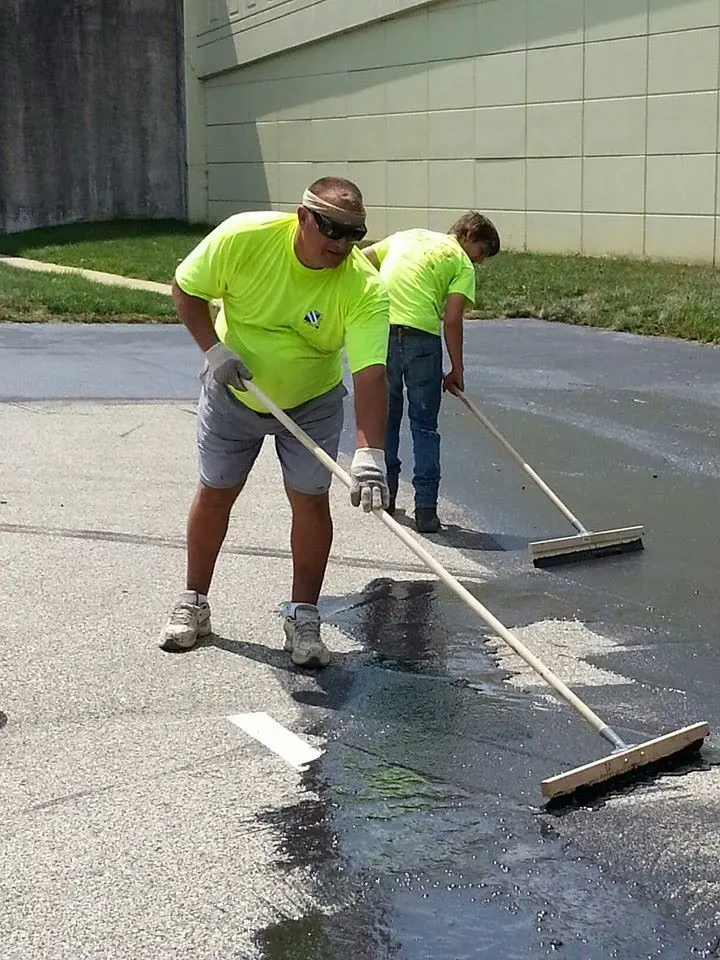
Residential Sealcoating
Home driveways in the Lehigh Valley are exposed to freeze-thaw cycles, summer heat, and runoff from daily use. We recommend sealcoating when the asphalt is dry, stable, and showing the early signs of fading rather than waiting until the surface has broken apart.
Commercial Sealcoating
Commercial lots need a maintenance schedule that keeps traffic areas, entrances, and parking bays protected without unnecessarily interrupting operations. We work on parking lots, access lanes, and other paved areas where durability and a consistent surface matter to the property owner and site users.
Multi-Year Protection Plans
Sealcoating works best as part of a regular maintenance plan. In most cases, the timing depends on traffic levels, sunlight exposure, drainage, and how quickly the surface is wearing. A planned approach helps avoid premature failure and makes it easier to keep the pavement in service longer.
Frequently Asked Questions
Sealcoating is usually done in warm, dry conditions so the material can cure properly. Cool temperatures, rain, and high moisture can interfere with the finish.
New asphalt should cure before sealcoating. The exact wait time depends on the pavement and site conditions, but fresh asphalt should not be sealed immediately.
No. Sealcoating is a protective surface treatment. Cracks should be filled first so water does not continue to enter the pavement structure.
That depends on traffic, weather, and surface condition. Areas with heavier use usually need more frequent attention than lightly used surfaces.
Only to a point. If the surface has widespread failure, potholes, or base problems, those issues should be corrected before sealcoating is considered.