
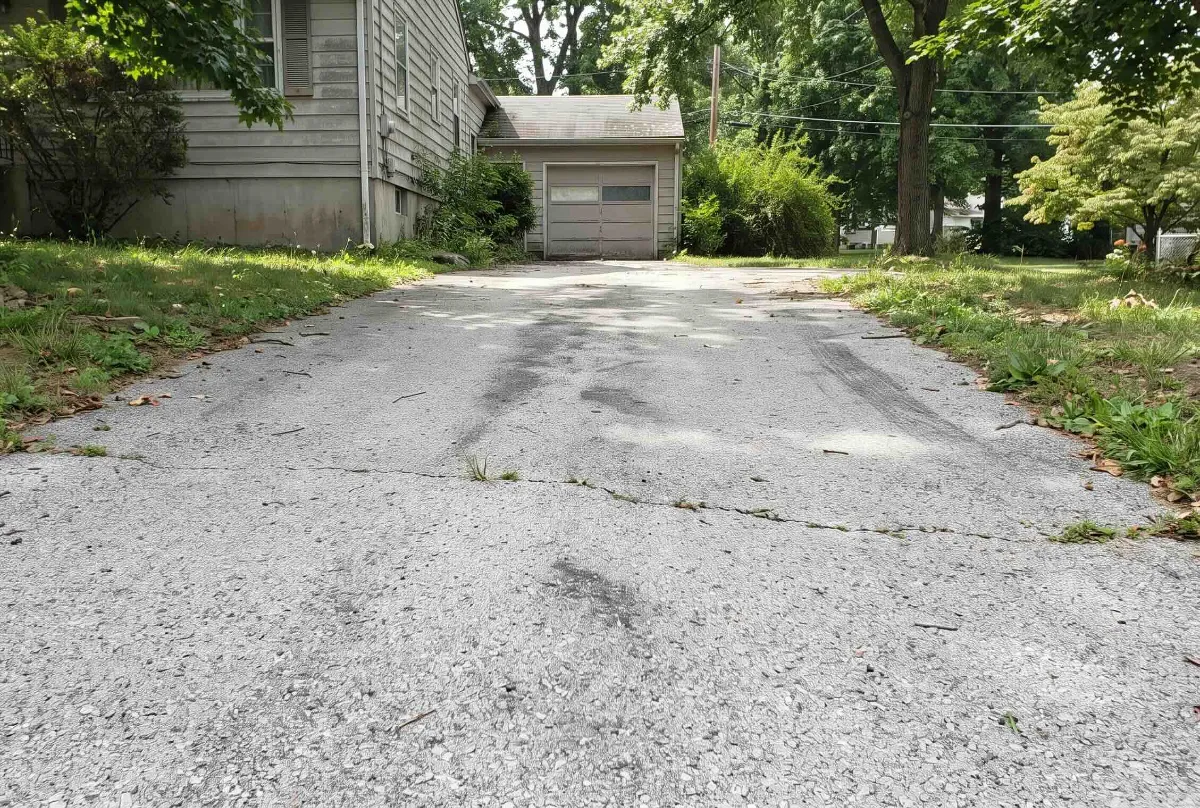
The signs your driveway needs sealcoating usually develop slowly: the asphalt loses its dark finish, familiar tire paths become more noticeable, and the surface starts looking weathered even after you clean it. These changes can point toward routine maintenance, but they do not tell you everything about the pavement underneath.
For Lehigh Valley homeowners and property managers, the challenge is separating ordinary surface wear from damage that needs repairs. Summer sun, winter weather, rain, snowmelt, and daily traffic all affect asphalt. A driveway may need a protective coating while another driveway with a similar appearance needs patching, crack treatment, or drainage work first.
Parking lots require the same careful judgment. A quiet row of parking spaces can remain in good condition while the entrance lane deteriorates under repeated turning and braking. Treating both areas as though they have identical needs can leave the most important problems unresolved.
The deciding factor is condition, not color. Sealcoating helps protect sound asphalt. It cannot rebuild broken pavement, raise a low spot, or stabilize a weak base. Knowing what to look for makes the difference between useful maintenance and a fresh finish that hides problems temporarily.
What Sealcoating Actually Does
Sealcoating adds a protective layer to an existing asphalt surface. That layer helps limit exposure to sunlight, moisture, traffic wear, and vehicle-fluid drips. It also gives weathered pavement a darker, more uniform appearance.
The appearance matters, but it should follow the maintenance decision rather than drive it.
Asphalt contains aggregate held together by a binder. As the exposed surface ages, it can fade, become rougher, and lose fine material. Sealcoating helps maintain suitable pavement before surface deterioration becomes more extensive.
It does not replace missing asphalt. It does not change the driveway’s slope. It does not correct movement beneath the pavement.
If water collects near the garage before coating, it will still collect there afterward. If a parking lot section breaks apart under delivery traffic, a coating cannot restore its load-bearing support.
Why Inspection Comes Before Application
A useful inspection identifies what remains sound and what needs attention.
Lehigh Valley Paving’s service information describes sealcoating alongside crack treatment, pavement repairs, resurfacing, and other asphalt work. That broader perspective matters because the appropriate response may involve several services rather than coating alone.
A faded driveway with isolated cracks may need crack treatment followed by sealcoating. A sunken entrance may need a localized repair first. Widespread pavement failure may require a different project entirely.
The inspection should establish those distinctions before anyone schedules application.
Fading Is One of the Signs Your Driveway Needs Sealcoating
A change from dark asphalt to a lighter gray surface often attracts attention first.
You may notice it beside a newer patch, along the street entrance, or where an older coating remains near the garage. On commercial properties, parking spaces may retain more color than travel lanes.
Fading can accompany weathering, but it does not establish the condition of the pavement by itself.
When considering the signs, compare the color change with the surface’s stability, texture, and drainage. A gray driveway that remains firm and intact presents a different maintenance question from gray asphalt that is sinking or breaking apart.
Look for More Than a Uniform Black Finish
Walk the driveway rather than judging it through a window.
Check whether the surface remains continuous. Look for loose stones, open cracks, missing pieces, and depressions. Notice whether older repairs sit evenly with the surrounding asphalt.
If the pavement has faded but remains stable, sealcoating may be reasonable maintenance.
If the same surface contains potholes or interconnected cracking, those conditions deserve attention first. Restoring color will not resolve them.
An assessment from Lehigh Valley Paving can help distinguish weathered asphalt from sections that need repair before coating.
A Rougher Surface Deserves a Closer Look
Asphalt can show wear before it develops obvious holes.
The surface may feel coarser underfoot. Individual stones may become more prominent. You might repeatedly sweep grit from an area even though nearby landscaping has not deposited material there.
Surface texture belongs among the signs your driveway needs sealcoating, but the degree of deterioration matters. Modest roughness on stable asphalt differs from pavement that loses chunks when vehicles turn.
Distinguish Weathering From Active Breakup
Ask whether the pavement still holds together.
A weathered surface may remain firm despite looking coarse. A deteriorating section may shed loose aggregate, develop missing areas, or continue breaking apart under normal use.
Sealcoating can help protect suitable asphalt. It cannot bind a failing pavement structure back together.
For parking lots, inspect entrances and turning areas separately from parking spaces. Those heavily used locations may need repairs even when most of the property remains suitable for coating.
The extent and location of loose material help determine whether the project needs surface maintenance, localized repairs, or a broader investigation.
The Existing Coating Has Worn Away Unevenly
A previous sealcoat rarely wears at the same rate across an entire driveway or lot.
You might see lighter tire paths leading toward the garage. A turning area may show exposed asphalt while the pavement beside it retains a darker finish. Commercial entrances often experience more wear than lightly used parking rows.
Those differences reveal where traffic places the greatest demands on the surface.
Examine the Asphalt Beneath the Worn Area
Worn coating does not automatically mean that every part of the property needs another application immediately.
Inspect the exposed pavement. If it remains stable, the loss of coverage may support a maintenance plan. If the same area contains deformation, loose material, or damaged cracks, it needs more than sealer.
Lehigh Valley Paving can account for these differences when assessing a driveway or parking lot. The scope should reflect actual pavement wear rather than assume that every square foot has aged identically.
That is particularly important where delivery vehicles, frequent turning, or concentrated parking create localized damage.
Small Cracks Have Started Appearing
New cracks often prompt homeowners to investigate the signs your driveway needs sealcoating. They are a reason to inspect the pavement, but open cracks require their own attention.
Sealcoating covers the broad surface. Crack filling or crack sealing treats individual openings. These services can belong in the same maintenance project, but they do not perform the same job.
Rain and snowmelt can enter cracks. When water reaches underlying material, it may contribute to weakened support. That makes crack inspection especially useful after winter.
Isolated Cracks May Need Treatment Before Coating
A few separated cracks in otherwise sound pavement may fit a straightforward repair-and-maintenance plan.
The crew should inspect the openings, remove interfering material, and determine the appropriate treatment before coating. Dirt, vegetation, and loose debris should not remain hidden beneath the work.
Pay attention to changes over time. A crack that remains narrow and isolated differs from one that widens, develops broken edges, or reappears beside a previous repair.
Describe those changes during the assessment. Your observations can help explain whether the problem has remained stable or continues to develop.
Interconnected Cracking Changes the Conversation
A network of closely spaced cracks that divides asphalt into small pieces can indicate deeper failure. People commonly call this pattern alligator cracking.
A fresh coating may darken the section, but it cannot restore support beneath it. Filling individual openings may also be inadequate when the entire area has begun breaking apart.
If this pattern appears where vehicles park, turn, or carry heavier loads, the next step is diagnosis. The affected section may need removal and repair rather than routine surface maintenance.
Oil Spots Need Preparation, Not Just Coverage
Vehicle-fluid stains deserve attention before sealcoating.
Inspect beneath vehicles that remain in the same place, near garage entrances, and around loading or service areas. A dark spot may interfere with adhesion, and oil-saturated asphalt may need more preparation than ordinary cleaning.
The presence of stains does not automatically establish that the entire driveway needs coating. It establishes that the contaminated areas need evaluation.
Determine Whether the Asphalt Remains Sound
A stain on firm pavement differs from a spot where the asphalt has softened or deteriorated.
Depending on the condition, preparation may involve cleaning and a compatible primer. Damaged pavement may require repair.
Lehigh Valley Paving includes oil-spot preparation in its discussion of sealcoating work. That detail matters because a uniform finish can conceal contamination without addressing it.
Also correct the source of the leak. Otherwise, the same vehicle may continue depositing fluid onto the newly maintained surface.
Sealcoating does not remove the need to manage recurring contamination.
Water Problems Are Not Automatically Coating Problems
Persistent puddles sometimes get mistaken for signs your driveway needs sealcoating. Usually, they point toward a question about drainage, surface shape, or settlement.
Watch the pavement after rain. Note where runoff travels, where water collects, and which areas remain wet after the surrounding surface dries.
Check the driveway apron, garage entrance, shaded sections, and pavement near downspouts. On commercial properties, include curb lines, landscaped islands, and pedestrian routes.
Sealer Cannot Raise a Low Spot
Sealcoat follows the surface beneath it.
It cannot lift a depression, redirect an incorrect slope, or stop water from flowing toward a building. Those conditions may require clearing an obstructed drainage path, making a targeted repair, or investigating underlying support.
A recurring puddle matters even when the rest of the pavement appears sound. The maintenance plan should address that location rather than assume another coating will solve it.
Lehigh Valley Paving’s paving and repair services allow drainage-related pavement defects to become part of the assessment before surface maintenance proceeds.
Broken Edges and Potholes Need Repairs First
Some defects should pause the sealcoating discussion.
Potholes, crumbling edges, unstable patches, and sunken sections need separate attention. They do not necessarily require replacing the entire driveway or lot, but they do establish that coating alone is insufficient.
A localized repair may leave the surrounding asphalt suitable for maintenance. Widespread damage may justify a more extensive plan.
Inspect Where Asphalt Meets Grass or Gravel
Driveway edges can deteriorate without drawing much attention from the street.
Walk the boundary and look for missing pieces, separation, and sections that lack support. Grass may extend over the pavement and conceal damage.
Clearing vegetation helps expose the actual edge. Once visible, the crew can distinguish routine cleanup from pavement that needs rebuilding or repair.
A coating cannot replace missing edge material. Continued vehicle traffic over a weakened boundary may worsen the damage.
Investigate Repairs That Keep Failing
A pothole that repeatedly returns deserves more investigation than a one-time surface defect.
The same applies to patches that shift, sink, or break apart. Drainage, underlying support, and concentrated traffic may contribute to the recurrence.
Tell the contractor when repairs occurred and how quickly the damage returned.
Lehigh Valley Paving lists pothole repair, patching, resurfacing, and base work among its related services. Those options become relevant when the inspection reveals a problem beyond the exposed surface.
How Lehigh Valley Weather Affects Pavement Maintenance
Our pavement experiences summer sunlight, rainfall, winter maintenance, and repeated freezing and thawing. Each season can reveal different weaknesses.
Summer makes fading and worn coverage easier to notice. Rain exposes drainage problems. Winter and snowmelt may reveal new cracks, loose edges, or deteriorating repairs.
Those seasonal changes do not automatically call for immediate coating. They provide reasons to inspect.
Check What Changed After Winter
Once the pavement is clear and safe to examine, compare its condition with what you remember from autumn.
Look for widened cracks, loose aggregate, damaged patches, and new depressions. Check areas where vehicles turn and where winter maintenance equipment travels.
Separate surface wear from damage that needs correction.
A driveway may benefit from sealcoating when conditions become suitable, but newly exposed defects should influence the project’s scope first.
Account for Shade, Trees, and Runoff
Two nearby driveways can dry and age differently.
One may receive full sun while another remains shaded. Trees can contribute leaves and debris. A downspout may send runoff toward an edge, while a landscaped bed deposits soil along a parking area.
These differences affect cleaning, drying, and scheduling.
A warm afternoon does not guarantee that damp asphalt is ready for application. The assessment should consider the property’s exposure and drainage rather than rely only on the air temperature.
How to Inspect Your Driveway or Parking Lot
You do not need to diagnose every defect yourself. A careful walk can still help you recognize the signs your driveway needs sealcoating and identify questions for the contractor.
Start with the full surface, then examine the areas that experience the most use. Photographs can help document changes and recurring problems.
Begin With an Overall View
Look from the street toward the garage or building.
Does the pavement appear uniformly faded? Do particular sections stand out? Can you see depressions, uneven transitions, or old repairs?
On a parking lot, compare entrances, travel lanes, and parking rows.
This first view helps you decide where to look more closely.
Follow the Routes Vehicles Use
Walk the tire paths, turning areas, and stopping points.
For a driveway, inspect near the garage, at the street entrance, and beside regularly parked vehicles. For a business, include loading areas, delivery routes, dumpster approaches, and entrance lanes.
Concentrated use can reveal damage that the broader view misses.
Revisit the Surface After Rain
A dry inspection cannot show every drainage issue.
After rainfall, note where water collects and how it moves across the pavement. Compare areas that remain damp with sections that dry sooner.
You do not need an exact measurement to provide useful information. Describe the pattern and identify whether it happens repeatedly.
Share the Pavement’s History
Explain what has changed.
A stable crack differs from one that widened recently. An isolated patch differs from a section that needs repair every winter.
That history helps Lehigh Valley Paving evaluate the current condition without relying solely on what happens to be visible during one visit.
Residential Driveways and Commercial Lots Need Different Plans
Although the signs your driveway needs sealcoating overlap with the warning signs on commercial pavement, access and traffic create different maintenance requirements.
Both need inspection, preparation, repairs where appropriate, coating, and curing time. The practical details vary.
A home may need alternate parking for a few vehicles. A business may need phased work that keeps customers, employees, and deliveries away from treated sections.
Residential Wear Follows Daily Habits
Cars often park in the same spaces and turn near the same garage entrance. A trailer, work vehicle, or frequently used turnaround may concentrate wear in one location.
Inspect those familiar areas carefully. Repeated use makes it easy to stop noticing a dip or rough patch.
Before application, move vehicles you will need during the closure. Consider deliveries, trash-bin access, and how people will reach the house without crossing the treated surface too soon.
Commercial Work Needs a Clear Access Sequence
Parking lots often combine lightly used spaces with heavily traveled lanes.
The project may need localized repairs in high-demand areas while the remaining pavement receives routine maintenance. If the property cannot close completely, work may proceed in phases.
Each section still needs adequate curing before traffic returns.
Coating also covers existing markings. Lehigh Valley Paving lists line striping among its services, so the work sequence can account for parking spaces and traffic markings instead of treating them as an afterthought.
Preparation Determines Whether Coating Helps
Recognizing the signs your driveway needs sealcoating matters, but preparation determines whether the chosen work has a suitable foundation.
The coating needs contact with clean, dry, properly prepared asphalt. Dirt, vegetation, contamination, loose material, and untreated defects can interfere.
The work before application deserves as much attention as the finished appearance.
Cleaning Should Expose the Pavement
Preparation may involve sweeping, blowing away dust, clearing cracks, and removing vegetation along edges.
Heavier deposits may require additional treatment. If washing forms part of the preparation, the pavement needs to dry before coating.
Commercial lots may need extra attention around curbs, landscaped islands, and loading areas where debris accumulates.
A cleaner-looking surface is not automatically a ready surface.
Keep Repairs Separate in the Scope
Ask which cracks need treatment, which areas need patching, and whether any defects require further evaluation.
The scope should distinguish protective coating from corrective work. It should not imply that sealer will fix every visible problem.
Lehigh Valley Paving’s range of asphalt services allows the maintenance decision to follow pavement condition rather than limit the assessment to whether a coating can be applied.
Timing Should Follow Condition and Weather
The signs your driveway needs sealcoating provide more useful guidance than a calendar reminder alone.
Traffic, exposure, drainage, previous repairs, and the remaining coating all influence timing. A lightly used residential driveway may age differently from a busy parking lot entrance.
Regular inspection helps determine whether another application makes sense now, whether repairs should come first, or whether maintenance can wait.
An Older Coating Does Not Automatically Need Replacement
The date of the last application provides context, not a complete diagnosis.
Check the remaining coverage and underlying asphalt. Look for worn areas, fading, modest surface deterioration, and cracks that need treatment.
Applying coating solely because a certain amount of time has passed overlooks the property’s actual condition.
A maintenance recommendation should explain what the pavement needs and why.
Application Needs a Suitable Weather Window
Sealcoating requires dry pavement and temperatures appropriate for the selected material.
Rain can interfere before curing, while cold conditions can affect how the coating forms its intended film. Shade, humidity, overnight temperatures, and expected rainfall can all influence scheduling.
Avoid treating a particular month as a guarantee of suitable conditions.
Leave room to reschedule when the pavement or forecast does not meet the application requirements.
Plan for Curing, Not Just Application
A fresh surface can look dry before it can tolerate tires.
Returning vehicles too early may mark the coating or track material. Confirm project-specific reopening instructions before work begins.
For businesses, include the waiting period in delivery arrangements, customer access, and striping plans. For homeowners, arrange parking that covers the full closure rather than only the hours when the crew is working.
Choose the Work That Matches the Problem
The most useful way to interpret the signs your driveway needs sealcoating is to separate protection from correction.
Faded but stable asphalt may be a reasonable coating candidate. Isolated cracks may require treatment first. Potholes, damaged edges, and failed patches add repair work to the plan.
Widespread cracking, recurring failures, settlement, or drainage problems require closer diagnosis.
A driveway can need more than one response. One failed section does not automatically require full replacement, and a dark surface does not prove that the pavement is healthy.
Lehigh Valley Paving’s published guidance supports evaluating coating alongside related pavement repairs. That approach helps preserve sound asphalt without asking a protective finish to perform structural work it cannot do.
Questions about How to Tell If Your Driveway Needs Sealcoating
What are the clearest signs your driveway needs sealcoating?
The clearest signs that you need sealcoating include fading, worn coating, and modest roughness on otherwise stable asphalt. Open cracks need separate treatment. Potholes, sinking, and crumbling sections require repair before coating.
Are cracks always signs your driveway needs sealcoating?
Cracks are not automatically signs that sealcoating is necessary; they are reasons to inspect and repair the pavement. Isolated openings may fit a crack-treatment-and-coating plan. Interconnected cracking may indicate deeper failure that sealer cannot correct.
How often should a Lehigh Valley driveway be sealcoated?
Base the decision on pavement condition rather than a fixed interval alone. Traffic, sunlight, drainage, prior repairs, and coating wear affect timing. Inspect regularly to determine whether coating is appropriate or other work should come first.
When should I act on the signs your driveway needs sealcoating?
Once you notice the signs, arrange an assessment rather than immediately choosing an application date. Address repair needs first, then schedule coating for dry pavement, suitable temperatures, and enough rain-free time to cure.
How long should vehicles stay off freshly sealcoated asphalt?
Follow the contractor’s instructions for the specific material and weather conditions. The surface may look dry before it can handle vehicles. Confirm the reopening time before work begins and arrange alternate parking for the entire required curing period.