
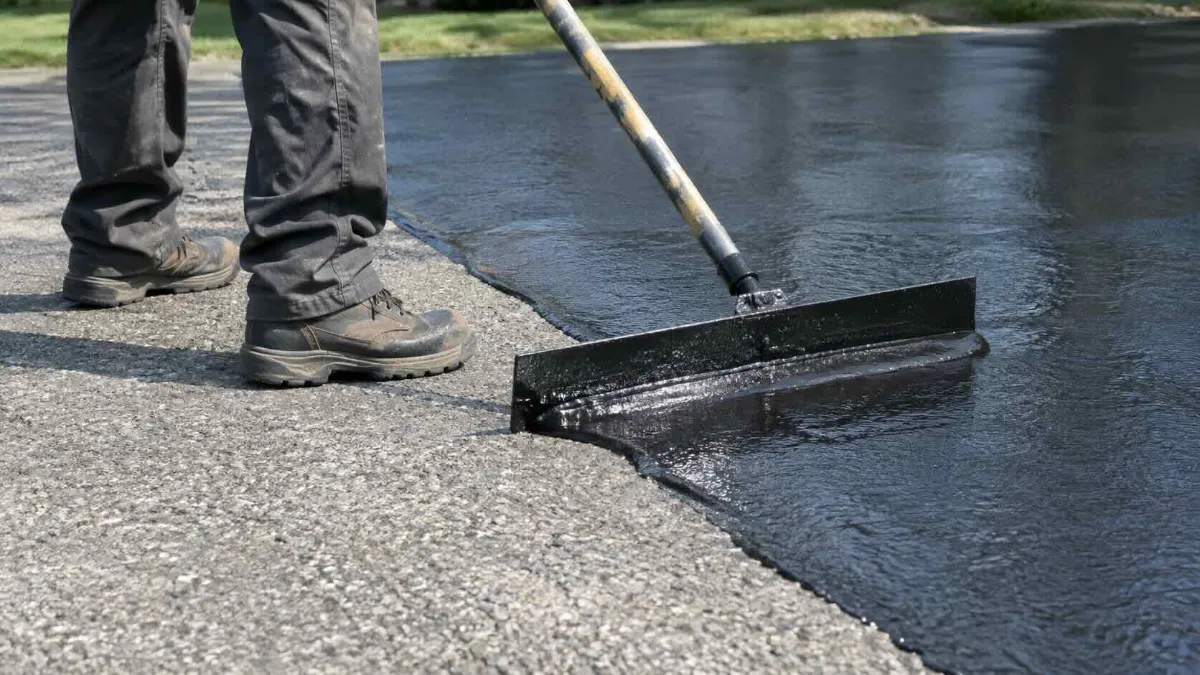
Sealcoating services can give a tired-looking driveway a fresh start, but the real question is what sits beneath that new black finish. A sound asphalt surface may need cleaning, a few repairs, and a protective coat. A driveway with a failing base needs a different plan entirely. Knowing the difference helps Lehigh Valley homeowners and business owners spend their maintenance dollars where they will do the most good.
Our pavement has plenty to contend with. Summer sun dries and fades the surface. Rain finds its way into open cracks. Winter brings snow, ice, plowing, and repeated changes between freezing and thawing. Traffic adds another kind of wear, especially where cars turn sharply, delivery trucks stop, or tires follow the same path every day.
Professional sealcoating services help protect asphalt against surface wear. They do not rebuild damaged pavement, correct poor drainage, or make a pothole disappear. The best results come from treating sealcoating as one part of a sensible maintenance plan: inspect first, repair what needs repair, then coat the asphalt when the surface and weather are ready. Lehigh Valley Paving handles residential driveways and commercial parking lots, along with crack filling, repairs, and paving work, so the condition of the pavement can guide the work rather than the other way around.
What sealcoating actually does
An asphalt sealcoat forms a protective layer over the exposed pavement surface. That layer helps slow the effects of sunlight, water, traffic, and drips from vehicles. It also darkens faded asphalt, which makes the change immediately noticeable. The darker color is a visible result, though, not the main test of whether the job was done well. Preparation, repairs, coverage, and curing matter much more.
Asphalt gradually changes as it ages. The binder that holds its stone together faces sunlight and weather day after day. Over time, a once-dark surface may turn gray and lose fine material. If cracks open, water can move below the surface. Asphalt sealcoating services can help limit surface exposure on pavement that remains sound, but a coating cannot reach down and restore a weakened foundation.
Think of sealcoating as maintenance for pavement that still has good structure. You would not paint over a rotting window frame and expect the wood to become solid again. In much the same way, coating broken or unstable asphalt may improve its appearance briefly without fixing the condition that caused the damage.
This distinction matters on a small residential driveway, and it matters even more on a busy parking lot. Before arranging sealcoating services, ask a more useful question than “Can this surface be sealed?” Ask, “What does this asphalt need before anyone seals it?”
Sealcoating versus crack filling and repairs
People often use “sealing” to describe several different jobs. Sealcoating covers the asphalt surface. Crack filling or crack sealing treats individual openings in the pavement. Patching removes or fills damaged areas. Resurfacing places a new layer of asphalt over an existing pavement that can still support it. Reconstruction goes further by addressing failed underlying material.
Those jobs solve different problems. A thin coating cannot reliably bridge an open crack, so a crew should clean and treat appropriate cracks before applying sealcoat. A pothole needs a repair, not a heavier coat of sealer. Closely spaced, interconnected cracks—often called alligator cracking—may point to a deeper failure that calls for investigation and more substantial repair.
Lehigh Valley Paving lists crack filling, pothole repair, surface patching, resurfacing, and base work alongside its sealcoating services. That range matters when an inspection reveals more than ordinary surface wear.
How to tell whether your asphalt is ready
A driveway or parking lot does not need to look new to benefit from sealcoating. In fact, many suitable surfaces look faded and worn. What matters is whether the pavement remains stable and whether repairs can address its defects before coating begins.
Walk the area slowly. Look at the pavement from the garage or building entrance, then follow the routes vehicles actually take. Pay particular attention to wheel paths, turning areas, edges, and low spots. A few observations can tell you much more than the overall color.
Signs sealcoating may make sense
A generally sound surface that has faded from black toward gray may be a good candidate for driveway sealcoating services. So may asphalt with minor surface wear and isolated cracks that a crew can treat separately. If vehicles travel over the pavement without shifting loose chunks or sinking into soft areas, the underlying structure may still be doing its job.
That does not mean every gray driveway needs an immediate coat. Color alone cannot tell you how well the base drains, whether a repair has held, or how much material the surface has lost. It is a reason to take a closer look, not a diagnosis.
On a parking lot, the pattern of wear helps. An entrance lane may show more distress than a lightly used row at the back. A careful plan can account for those differences rather than treating every square foot as though it has the same history.
Signs to repair first
Open cracks, potholes, crumbling edges, loose patches, and oil-saturated spots all deserve attention before sealcoating. If cracks contain dirt or weeds, cleaning them is part of the work; coating over the debris will not turn it into sound pavement. If a patch moves or breaks under traffic, the crew needs to address that failure before covering it.
Watch for depressions that hold water after the rest of the surface dries. Sealcoat follows the shape of the asphalt beneath it, so it will not lift a low spot or change the pavement’s slope. Repeated puddling may call for drainage work, a targeted repair, or a closer look at the base. A useful discussion about sealcoating services should include these problem areas, even if they require separate work.
There is also a difference between a small crack and a network of cracks that divides the asphalt into little pieces. The latter can signal movement or failure below the surface. Covering it with sealer may hide the pattern for a short while, but traffic and water will continue to act on the damaged area.
When sealcoating is the wrong job
If asphalt breaks apart underfoot, potholes keep returning, or broad sections have sunk, pause before scheduling a sealcoat. The same applies when a driveway channels water toward a garage or a lot has recurring failures in heavy-vehicle lanes. Those conditions call for a diagnosis of the pavement and drainage, not simply a surface treatment.
A repair does not always mean replacing the entire driveway or parking lot. Sometimes the failed area is localized, and the surrounding pavement remains sound enough to maintain. In other cases, widespread damage makes resurfacing or replacement the more sensible choice. The point is to make that decision before a fresh coat conceals the clues.
Why local conditions matter
The Lehigh Valley gives asphalt a full range of weather. Sun and heat affect exposed pavement in summer. Rain and melting snow test every crack and low spot. Winter maintenance brings plow blades, deicing materials, and vehicle traffic across cold surfaces. None of this makes our area unusual in Pennsylvania, but it does mean timing and drainage deserve attention.
Water is often the issue to watch most closely. When it enters an open crack, it can reach material below the asphalt. Once that support weakens, traffic may cause the surface to move or break. Freezing conditions can make existing openings and drainage problems harder on the pavement. Sealcoating can help protect the surface, while properly treating cracks and directing water away address other routes for moisture.
The layout of a property changes the risk. A driveway beneath trees may stay damp longer after rain. A shaded section may not dry as quickly as the sunny front edge. A parking lot near landscaped islands may collect soil and debris along its borders. Downspouts, slopes, and blocked drainage paths can concentrate runoff in one area.
This is why a local inspection should pay attention to the whole site, not just the square footage to coat. Lehigh Valley Paving provides sealcoating services for residential driveways and commercial parking lots, two kinds of property with very different traffic patterns, drainage needs, and repair priorities.
Picking the right weather window
Sealcoating needs dry pavement and suitable temperatures during application and curing. Rain can interfere with an uncured coat, and cold conditions can keep some products from forming the intended film. Product requirements differ, so the crew should check the forecast against the material it plans to use rather than rely on a single temperature rule.
That makes the calendar less useful than the forecast. A sunny afternoon does not help much if rain arrives overnight or a shaded driveway still holds moisture from yesterday’s storm. Early and late in the season, daytime warmth can also hide a chilly night ahead.
For Lehigh Valley residents, the practical approach is simple: leave room to reschedule. Waiting for a suitable stretch of weather is better than rushing an application because a date happened to be open.
What happens during a sealcoating job
From the street, sealcoating can look like one step: spread black material and let it dry. Most of the work that determines the outcome happens before that coat goes down.
A well-planned job starts with a look at pavement condition and access. The crew needs to understand which areas require repairs, where cars or customers will go during the closure, and what borders the asphalt. The edge beside a garage, sidewalk, curb, landscaped bed, or building deserves careful handling.
Inspection and surface cleaning
First, the pavement needs to be clear of vehicles, loose material, and debris. Dirt blocks contact between the coating and asphalt. Leaves and grit can become embedded in the finish. Grass creeping over an edge can hide the true boundary of the pavement.
Cleaning may involve sweeping, blowing off dust, clearing cracks, and removing vegetation. Heavier deposits may require additional work. If washing is necessary, the pavement must dry before the sealcoat goes on. Applying material over a damp surface invites problems that a neat-looking first pass may not reveal immediately.
This step can take longer on a commercial lot than on a driveway. Traffic carries in soil, and debris collects around curbs, loading areas, and landscaped islands. Commercial sealcoating services should account for what is actually on the pavement, not assume that every lot needs the same preparation.
Crack treatment, patching, and oil spots
Next come the repairs identified during inspection. Crews should clean suitable cracks before filling or sealing them so the repair material can contact the asphalt. The crack treatment needs to be appropriate for the opening and given whatever setting time its product requires.
Potholes and unstable sections call for separate repairs. A sealcoat will trace the rim of a pothole; it will not restore the missing asphalt. Areas with extensive interconnected cracking may need more than routine crack filler, especially if the pavement moves or the base has failed.
Oil spots need attention, too. Vehicle fluids can interfere with adhesion. Depending on the condition, preparation may include cleaning and a compatible primer before coating. On a business property, it is worth checking loading spaces and areas where vehicles idle, rather than focusing only on the parking stalls customers see first.
Lehigh Valley Paving’s related services include crack filling and pothole and surface repairs. Bringing those decisions into the same site evaluation helps keep a straightforward sealcoating job from becoming a coat applied over unresolved damage.
Applying the coating
Once the surface is clean, dry, and repaired, the crew can apply the selected sealer. Application methods include spraying, squeegeeing, or using both, depending on the pavement and product. A squeegee can work material into a rougher surface; spraying can help lay down an even coat across larger areas. Neither method excuses poor preparation or excessive application.
The aim is consistent coverage at the rate the product calls for. More material is not automatically better. Heavy puddles may dry unevenly, while thin or missed areas leave the finish inconsistent. Edges need control so sealer stays on the asphalt rather than ending up on nearby concrete, siding, or landscaping.
Some projects call for more than one coat. Each coat must dry sufficiently before the next one goes down, and the crew should account for differences in wear across the surface. A busy entrance lane does not experience the same traffic as a tucked-away parking space. Product instructions, pavement condition, and expected use should drive those choices.
Curing and reopening
A driveway or lot may look dry before it is ready for tires. Turning a steering wheel while the vehicle sits still can mark a fresh surface. Tires can also track coating if traffic returns too soon.
Curing time varies with the material, temperature, sunlight, humidity, and coat thickness. Follow the project-specific reopening instructions rather than a one-size-fits-all promise. Depending on the product and conditions, a crew may ask you to keep vehicles off the pavement for at least a full day.
For a homeowner, that means planning where to park before the crew arrives. For a business, it may mean moving deliveries, directing customers to another entrance, or dividing a larger lot into workable sections. Those arrangements are part of a successful job, not an afterthought.
Driveways and parking lots need different plans
The same basic principles apply to residential and commercial asphalt: inspect, clean, repair, coat, and allow enough time to cure. The planning changes with the way people use each surface.
Residential driveways
A driveway often has a few highly stressed spots. Tires turn near the garage. Cars stop at roughly the same place every day. The edge may take a beating where pavement meets grass or gravel. A driveway with a basketball hoop, trailer, or work vehicle may see loads and turning movements that are easy to overlook during a quick estimate.
Before scheduling driveway sealcoating services, check how you will leave and return while the surface is closed. Move vehicles you will need, and think about bins, deliveries, and foot access to the house. If the driveway meets a sidewalk or road, ask how the crew will manage the transition and protect adjoining surfaces.
Also note problems you have learned to drive around. A dip near the apron or a puddle by the garage may feel routine because you see it every day. Point it out during the inspection. Sealcoating will not change it, but an assessment can determine whether it needs separate work.
Commercial parking lots
A parking lot involves more moving parts: customers, employees, deliveries, accessible routes, loading zones, and sometimes several entrances. Closing the whole lot at once may not be practical. Sections may need to be staged so people can still reach the property safely while crews work and the coating cures.
Parking lot sealcoating services should account for where pavement wears fastest. Entrance and exit lanes, tight turns, loading areas, and dumpster approaches may need repairs that quiet parking rows do not. Heavy vehicles can expose a weak area quickly, even if its new coat looks uniform on day one.
Painted markings require their own schedule. Coating covers existing lines, so a lot that needs parking spaces, arrows, or other markings restored must allow for striping after the sealer has cured. Lehigh Valley Paving lists line striping among its pavement services, which makes it possible to consider that sequence when planning maintenance.
Property managers should also look beyond appearance when deciding what to address first. A pothole along a walking route, a broken edge near an accessible space, or water collecting at an entrance deserves attention before a broad cosmetic refresh. The most useful plan starts with how people actually move through the lot.
Choosing materials and a maintenance schedule
There is no universal sealcoat schedule that fits every Lehigh Valley property. A lightly used driveway and a busy commercial entrance age differently. Sun exposure, shade, drainage, previous repairs, and the coating’s condition all affect when another application makes sense.
A reasonable habit is to inspect the pavement regularly and after winter. Look for new cracks, loose aggregate, areas where coating has worn through, puddles, and patches that no longer sit firmly. Some properties may follow a multi-year sealcoating plan, but the pavement’s condition should decide the timing. Scheduling sealcoating services simply because a set number of months has passed can waste effort if more important repairs need attention first.
Material choice deserves a question or two. Sealers come in different formulations, and their handling, application requirements, and suitability can vary. Ask what product will be used and whether it fits the surface and expected traffic. Coal-tar-based sealers also raise environmental concerns because they can contribute polycyclic aromatic hydrocarbons, or PAHs, to runoff and sediment; asphalt-based alternatives are available.
Do not assume any sealer makes pavement waterproof or immune to oil, plows, and traffic. Maintenance still matters after coating. Keep drainage paths clear, address new cracks before they spread, clean up vehicle-fluid leaks, and investigate damage that returns in the same place. A good sealcoat supports those habits; it does not replace them.
Questions worth asking before work starts
An estimate should make the scope clear enough that you know what will happen on the property. Ask which cracks or damaged areas the crew will treat before coating, and whether any spots need a separate repair. Ask how they will prepare oil stains, rough edges, or areas that stay damp.
Confirm the planned material, number of coats if specified, and conditions that would prompt a weather delay. Ask when people can walk on the surface and when vehicles can return. For a commercial lot, clarify how access, deliveries, and restriping will work.
Those questions are not about finding a magic product or demanding a flawless-looking surface. They help separate the protective coating from the repairs and site planning that make it worthwhile. When comparing sealcoating services, a clear explanation of what the pavement needs before coating is more useful than a promise about how black it will look afterward.
FAQs: What to Know about Sealcoating Services in Lehigh Valley, Pa
How do I know whether my driveway needs sealcoating or repair?
If the asphalt is stable but faded or showing modest surface wear, driveway sealcoating services may help protect it. Repair comes first if you see open cracks, potholes, crumbling edges, soft spots, or recurring puddles. Widespread interconnected cracking or sinking calls for a closer evaluation before anyone coats the surface.
Can sealcoating fix cracks or potholes?
No. Sealcoating covers the pavement surface; it does not rebuild missing asphalt or provide a lasting repair for an open crack. Crews should treat suitable cracks and repair damaged areas before applying the coat. If the base has failed, the pavement may need more substantial work.
How long must I stay off a freshly sealcoated driveway?
Follow the instructions for the material and the conditions on your job. Drying and curing depend on weather and application thickness, and a surface can look dry before it can handle tires. Arrange another place to park and confirm the reopening time with the crew before work begins.
What time of year is best for sealcoating services in the Lehigh Valley?
Choose a stretch with dry pavement, suitable temperatures, and enough rain-free time for the product to cure. Do not rely on the month alone: a damp shaded driveway or a cold night can change the plan. The crew should follow the specific sealer’s weather requirements.
Can a business keep its parking lot open during our sealcoating services?
Often, commercial sealcoating services can be staged so part of a lot remains accessible, but the plan depends on its entrances, traffic flow, deliveries, and safe walking routes. Each coated section needs time to cure before vehicles return. If the coating covers parking lines or arrows, allow for restriping afterward.